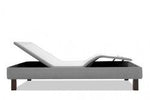
How to Get an NDIS-Funded Adjustable Bed or Pressure Care Mattress
5 min reading time
If you find a lower price, we’ll beat it by 5%! Contact us to find out more. *T&C's Apply.

5 min reading time
You're awake at 2am, repositioning your mum for the fifth time tonight because she can't get comfortable. Or you're an OT trying to support a client who desperately needs a hi-lo bed but doesn't know where to start with NDIS funding. We've been helping families and health professionals navigate this exact situation for years.
The good news? Adjustable beds and pressure care mattresses can be funded through the NDIS – but there's a process to follow. Let's walk through exactly how it works.
Adjustable beds and pressure care mattresses qualify as assistive technology under the NDIS when they meet your disability support needs.
Mid-cost items ($1,500-$15,000) like hi-lo beds require written evidence from an allied health professional .
High-cost items (over $15,000) need a formal assessment and quote.
Your plan must include "Assistive Technology" in the Capital section.
Most adjustable beds and pressure care mattresses fall into the mid-cost category.

Yes, but there's an important distinction. The NDIS doesn't fund standard household mattresses. Everyone needs a mattress to sleep on, so that's considered your own responsibility.
However, if you need a specialised bed or mattress because of your disability support needs, the NDIS will typically approve funding. This includes hi-lo electric beds that assist with transfers, pressure care mattresses that prevent skin breakdown, or adjustable bases that help with breathing or positioning.
You might be eligible if you or your client has:
Limited mobility or spends extended periods in bed
Pressure ulcer risk or existing pressure injuries
Difficulty getting in and out of bed independently
Conditions requiring elevated positioning (like heart failure, respiratory issues, or acid reflux)
Spinal injuries, progressive muscle weakness, or neurological conditions
Falls risk that's reduced by height-adjustable beds
The NDIS groups assistive technology into three levels:
Low-cost (under $1,500): Basic items like bedside commodes, shower chairs, or walking aids. These typically come from your Core budget with minimal paperwork.
Mid-cost ($1,500-$15,000): This is where most NDIS contracted adjustable beds and mattresses sit. You'll need written evidence from a qualified assistive technology advisor, but you don't need to provide quotes upfront.
High-cost (over $15,000): Complex or bariatric hi-lo beds, advanced pressure care systems. These need a formal assessment and quote before approval.
For mid-cost beds and mattresses, you'll need a letter, email, or report from a qualified professional. This could be an occupational therapist, physiotherapist, or other allied health practitioner who understands your situation.
The evidence should explain how the equipment relates to your disability and why other options won't work. It should also include an estimate of the cost.
At Back To Sleep, we work directly with OTs, physios, and case managers to make this process straightforward. We can provide all the product specifications, costs, and technical information your therapist needs for the report.
Check your plan includes "Assistive Technology" in the Capital section
Book an assessment with an OT or physio who can evaluate your needs
They'll write a report recommending the specific equipment
Submit the report through your NDIS portal or at your next plan review
Once approved, you can purchase from registered providers like Back To Sleep
Start gathering evidence 6-8 weeks before your review meeting. This gives your therapist time to complete assessments and write recommendations. Bring this evidence to your planning meeting so your new plan includes the right funding.
You don't have to wait for your annual review. You can request a plan variation at any time if your circumstances change significantly.
Yes, we regularly set up dual hi-lo beds where each side adjusts independently. You'll need to discuss this in your NDIS plan.
You can use your NDIS funding for the approved amount and pay the difference yourself for premium features.
No. If you have a significant change to your support needs, you can request crisis or emergency funding. Document the issue and contact your support coordinator or planner immediately.
We've been supporting NDIS participants and their care teams across Melbourne for over 20 years. Our team includes trained health professionals who understand both the clinical needs and the NDIS paperwork. Whether you're an OT preparing a report, a support coordinator helping a client, or a family member trying to navigate funding, we can guide you through the process.
Once funding is approved, we handle delivery, setup, and explain how to use everything. Need help working out the right back support mattress or pressure care solution? Our Melbourne showroom team can walk you through your options or come to you for an in-home assessment.
Getting the right bed shouldn't be complicated. With the right evidence and support, NDIS funding can make these essential items accessible, so you or the person you're caring for can finally get a decent night's sleep.


